The Case for Sustainable, Fast Charging Lockers in Universities and Higher Education Colleges
In today’s digital age, mobile devices are indispensable tools for students in higher education. From accessing online resources and participating in virtual classes to staying connected with peers and faculty, the reliance on smartphones, tablets, and laptops has never been greater. However, with this increased dependence comes the ever-present challenge of maintaining battery life throughout a busy academic day. This is where sustainable, fast charging lockers come into play as an essential amenity for universities and higher education colleges.
Benefits of Fast Charging Lockers
Sustainability and Environmental Responsibility
Fast charging lockers designed with sustainability in mind can significantly reduce the environmental impact of electronic device usage. These lockers often use energy-efficient technologies and components, ensuring minimal power wastage. By integrating such systems, institutions can demonstrate their commitment to environmental stewardship and inspire students to adopt greener habits.
Enhanced Convenience and Accessibility
Unlike traditional charging stations or wall outlets, fast charging lockers provide a secure and convenient solution for students to charge their devices. Students can safely lock their devices in a designated locker, ensuring they are protected from theft or damage while charging. This added security gives students peace of mind and allows them to focus on their studies without worrying about their valuable gadgets.
Speed and Efficiency
The primary advantage of fast charging lockers is their ability to charge devices at an accelerated rate. With the capability to charge a device from 0% to 50% in a fraction of the time it would take with a standard charger, these lockers ensure that students can quickly top up their batteries between classes, during lunch breaks, or even in between lectures. This rapid charging capability helps maintain productivity and keeps students connected throughout the day.
Space Optimization
Fast charging lockers are designed to accommodate multiple devices simultaneously, making efficient use of space within the campus. This is particularly beneficial in high-traffic areas such as libraries, student unions, and common rooms, where the demand for charging facilities is high. By centralizing charging infrastructure, universities can avoid clutter and ensure an organized, aesthetically pleasing environment.
Support for Diverse Devices
Modern fast charging lockers are versatile, supporting a range of devices including smartphones, tablets, and laptops. This adaptability is crucial in a higher education setting where students use a variety of devices for different academic purposes. By providing a one-stop charging solution, universities can cater to the diverse needs of their student population.
Encouraging Responsible Device Usage
Providing accessible charging solutions encourages responsible device usage among students. With the assurance that they can charge their devices whenever necessary, students are less likely to resort to unsafe charging practices, such as using low-quality chargers or leaving devices unattended in public spaces.
The Future of Mobile Technology in Education
As we look towards the future, it’s clear that mobile technology is here to stay. The integration of mobile devices into educational frameworks has revolutionised the way students learn and interact. From interactive apps and e-books to virtual classrooms and online collaboration tools, the possibilities are endless. Mobile devices offer unparalleled flexibility and accessibility, enabling students to learn at their own pace and on their own terms.
In conclusion, the implementation of sustainable, fast charging lockers in universities and higher education colleges is a forward-thinking move that addresses the practical needs of students while promoting environmental responsibility. These lockers offer a superior alternative to traditional charging solutions, providing security, efficiency, and convenience. As mobile technology continues to evolve, ensuring that students have the necessary infrastructure to support their academic pursuits is not just beneficial—it’s essential. Mobile is indeed here to stay, and by embracing innovative charging solutions, educational institutions can better prepare for a connected and sustainable future.
Mobile Phone Addiction and Nomophobia: Understanding the Digital Epidemic
Understanding Mobile Phone Addiction and Nomophobia: A Digital Epidemic
In today’s hyper-connected world, mobile phones are indispensable, offering unparalleled convenience by keeping us connected, informed, and entertained. However, this convenience has a downside: mobile phone addiction, a growing global concern, especially in the UK. One specific manifestation of this addiction is known as Nomophobia.
What is Nomophobia?
Nomophobia is the fear or anxiety associated with being without a mobile phone or beyond mobile phone contact. This term emerged from a study commissioned by the UK Post Office in 2008, highlighting the extent of mobile phone dependency among the public. Symptoms of nomophobia include:
- Panic or anxiety when the phone battery is low or there is no network coverage.
- Constantly carrying a charger or backup battery.
- Using the phone in inappropriate settings, such as during meals or social gatherings.
What is Mobile Phone Addiction?
Mobile phone addiction is characterized by an over-reliance on mobile devices, significantly interfering with daily activities, personal relationships, and productivity. Key signs of this addiction include:
- Excessive checking of the phone, even without notifications.
- Anxiety when the phone is not accessible.
- Spending more time on the phone than intended.
- Neglecting face-to-face interactions in favor of mobile device use.
Factors Contributing to Mobile Phone Addiction
Several factors contribute to the high levels of mobile phone addiction in the UK:
- Social Media: Platforms like Instagram, Facebook, and TikTok are designed to be addictive, encouraging continuous engagement.
- Work Demands: The rise of remote work and the expectation of constant availability compel many to check their phones regularly.
- Fear of Missing Out (FOMO): This psychological phenomenon drives individuals to stay connected to avoid missing out on important events, news, or social interactions.
Who Are the Most Addicted?
Certain demographics in the UK show higher levels of mobile phone addiction:
- Young Adults: Those aged 18-24 are particularly prone to mobile phone addiction. A University of Derby study found that 13% of young adults could be classified as “addicted” to their smartphones.
- Teenagers: The NHS has expressed concerns about the impact of excessive phone use on teenagers’ mental health, citing increased levels of anxiety, depression, and sleep deprivation.
- Professionals: Many working professionals also exhibit signs of mobile phone addiction due to the constant need to stay connected for work, coupled with social media use.
The Extent of Mobile Phone Addiction in the UK
Recent statistics paint a concerning picture of mobile phone usage in the UK:
- High Usage Rates: According to a 2023 Ofcom report, the average UK adult spends over 3 hours and 23 minutes per day on their mobile phone, highlighting our growing reliance on these devices.
- Frequent Checks: Research indicates that the average UK user checks their phone approximately 58 times a day, with younger adults (aged 18-24) checking around 79 times a day.
- Bedtime Usage: A Deloitte survey found that 41% of UK adults check their phones within five minutes of waking up, and 37% check their phones just before going to bed, leading to disrupted sleep patterns and other health issues.
Consequences of Mobile Phone Addiction
Mobile phone addiction and Nomophobia can lead to several adverse effects:
- Mental Health Issues: Continuous mobile phone use is linked to increased anxiety, stress, and depression. The constant bombardment of notifications and the pressure to stay connected can be overwhelming.
- Sleep Disruption: Exposure to blue light from screens before bedtime can interfere with sleep patterns, leading to insomnia and poor-quality sleep.
- Decreased Productivity: Frequent phone use can distract individuals from their tasks, leading to decreased productivity at work or school.
- Social Impact: While mobile phones are designed to keep us connected, excessive use can lead to social isolation, with people spending more time on their devices than interacting face-to-face with family and friends.
Combating Mobile Phone Addiction
Combating mobile phone addiction requires a multi-faceted approach:
- Digital Detox: Encourage periodic breaks from mobile phone use to reduce dependency.
- Setting Boundaries: Establish phone-free zones and times, such as during meals or an hour before bedtime.
- Mindfulness Practices: Techniques like meditation can help reduce anxiety associated with nomophobia.
- Professional Help: For severe cases, cognitive-behavioral therapy (CBT) has proven effective in managing addiction.
Conclusion
Mobile phone addiction and Nomophobia are growing concerns, particularly in technologically advanced societies like the UK. By understanding the signs of addiction and taking proactive steps to manage mobile phone use, individuals can regain control over their lives and reduce the negative impacts on their mental and physical well-being. With awareness and appropriate interventions, it is possible to foster a healthier relationship with our digital devices.
Sources:
- Ofcom Report 2023
- Deloitte Survey
- University of Derby Study
- NHS Mental Health Concerns on Teenagers and Mobile Phone Use
Mobile Phone Batteries: Their Evolution and Limitations.
In an era where technological innovations seem to know no bounds, one persistent challenge continues to vex smartphone users worldwide: the limitations of mobile phone batteries. Despite the leaps and bounds made in smartphone capabilities, the evolution of battery technology has been, and continues to be, a slower, more incremental journey. In this blog, we’ll explore the advancements and limitations of mobile phone batteries, their technology, and give you some tips on how to prolong battery life that help to liberate us from the tyranny of carrying chargers and charging cables.
The Evolution of Mobile Phone Batteries:
Mobile phone batteries have come a long way since the early days of bulky devices with limited endurance. The introduction of Lithium-ion batteries in the 1990s revolutionised the industry, offering higher energy density and longer-lasting power. However, while smartphones have evolved into sleek, multifunctional devices, battery technology still needs to catch up!
Advancements and Limitations:
While some smartphones boast impressive battery life, such as the Apple iPhone 15 Pro Max, Samsung Galaxy S24 Ultra, and Google Pixel 8 Pro, the reality is that most devices still require daily charging. Despite incremental improvements in battery longevity and efficiency, the fundamental limitations of Lithium-ion technology persist.
Why Batteries Lag Behind:
The disparity between smartphone advancements and battery capabilities can be attributed to several factors. Firstly, the demand for slimmer, lighter devices conflicts with the need for larger, more powerful batteries. Consumers prioritise sleek designs over extended battery life, leading manufacturers to prioritise form factor over function.
Additionally, the pace of battery technology development is inherently slower than that of other smartphone components. While processors, cameras, and displays undergo rapid advancements, battery technology faces inherent challenges such as energy density, safety concerns, and cost-effectiveness.
Mobile phone batteries rely on chemical reactions to store and release energy, making their advancements inherently more challenging compared to the physics-driven developments of other device components. While electronics progress swiftly due to advancements in physics, battery technology faces huge complexities in optimising chemical compositions and reactions, leading to slower progress and incremental improvements over time.
Future Developments:
Technology companies are actively exploring new avenues for battery innovation despite these challenges. Solid-state batteries, which utilise solid electrolytes instead of liquid ones, hold promise for higher energy density, faster charging, and enhanced safety. Companies like Tesla, Samsung, and Toyota are investing heavily in solid-state battery research, aiming to revolutionise energy storage across various industries.
Furthermore, advancements in materials science, such as the integration of lithium metal into battery designs, offer potential breakthroughs in energy density and longevity. Companies like Quantumscape are at the forefront of developing next-generation batteries based on lithium metal technology, paving the way for significant advancements in mobile phone batteries.
Tips for Prolonging Battery Life:
While we await the arrival of next-generation battery technologies, there are steps we can take to maximise the performance and longevity of our current mobile phone batteries:
- Optimise Settings: Adjust the display brightness, and enable power-saving modes to reduce battery consumption. Don’t wait for 20% level before low power mode is offered to go into it if you’re on a long day. There is some loss of features/notifications of course, but usually not much. See here https://support.apple.com/en-gb/HT205234
- Manage Charging Habits: Avoid frequent deep discharges and opt for partial charging whenever possible to minimise stress on the battery. The sweet spot is between about 20-80% charge. Newer iPhones for example let you set 80% as the maximum battery charge level which is good – unless you’re on a long day in which case turn it off for that day.
- Avoid Extreme Temperatures: Extreme heat or cold exposure can degrade battery health, so keep your phone in moderate environments. When in the car, don’t have it in full sun, or next to vents putting out hot air.
- Use Original Chargers: Stick to genuine certified chargers and cables provided by the manufacturer to ensure compatibility and safe charging.
- Consider Battery Replacements: If your smartphone’s battery performance significantly deteriorates over time, consider replacing the battery to restore optimal performance. Your device should tell you about the battery condition and its capacity. You can expect some deterioration after between 500-1000 charge cycles, with more after that level. 3+ year-old devices may well benefit, though if carefully managed, can give much longer life.
- Fast-charging technologies often incorporate features such as temperature management and voltage regulation to minimise stress on the battery, helping to prolong its lifespan.
Conclusion:
While mobile phone batteries may lag behind the rapid pace of smartphone advancements, ongoing research and development efforts offer hope for a future where battery life ceases to be a daily concern. By embracing emerging technologies and adopting prudent battery management practices, we can free ourselves from the shackles of charging cables and enjoy uninterrupted connectivity on our smartphones. And when you consider that the average person checks their phone 150 times a day (that’s once every 6 minutes!), our hunger for battery juice than never depletes, is only going to increase.
It might not be long before we can see the prototypes for a more powerful, kinetic charging system that harnesses motion or mechanical energy to generate the electricity needed to power a smartphone. Exercising to charge up all round?
Unlocking Personalities: Decoding Your Mobile Phone Charging Habits
Welcome readers! As you know, here at Chargebox we love spending our lives obsessing about the best phone charging experiences so that you don’t have to. Normally we’re buried deep stats about user experience, charging speeds, secure lockers, cable specs, location specifics, hospital, airport, retail, events… Well you get the idea!
We recently came across the article “New study reveals the ten types of mobile phone users”, (by behavioural analyst, Emma Kenny) and liked it so much, it got us thinking.
Are there any obvious traits or quirks that people display in their phone charging behaviour and what these habits might say about them?
So we locked our best and brightest minds in a room with all our phone charging data and insight, collected over many years, and this is what they came up with – five distinct types of mobile phone charging behaviours and personality types.
The Night Charger :
Ah, the night charger – the steadfast souls who plug in their phones before hitting the hay and let them juice up all night long. These individuals believe in starting each day with a fully charged device, even if it means their poor phone spends more time plugged in than they do! To them, a charged phone equals peace of mind, even if it means sacrificing a bit of battery longevity in the process.
The Prepared Packrat (Power Hoarder) :
Meet the prepared packrat, armed to the teeth with battery packs, charging cables, and plugs galore. You’ll never catch these folks with a low battery warning – they’re like modern-day Boy Scouts, always ready for a charging emergency. Whether it’s a trip to the local shop or a trek through the wilderness, they’ve got enough charging firepower to keep their devices going for days on end.
The Rule Follower :
For the rule follower, every percentage point of battery life is precious, and they’re not about to jeopardize it by overcharging. These cautious chargers strictly adhere to the manufacturer’s recommendations, never leaving their phones plugged in for a moment longer than necessary. They’re the ones you’ll catch unplugging their phones at precisely 80% battery, following the advice to maximize battery health – even if it means a few extra trips to a charging point throughout the day.
The Forgetful Wanderer :
Ah, the forgetful wanderer – forever chasing elusive power outlets and muttering curses under their breath as their battery dwindles to single digits. These free spirits have a knack for leaving home without a charged phone and are no strangers to the dreaded dead battery scenario. But fear not, for they’ve mastered the art of creative charging solutions, from begging bartenders for access to outlets to scavenging for USB ports in coffee shops.
The Eternal Optimist :
Last but not least, we have the eternal optimist – the dreamers who believe that battery life is but a mere suggestion and that their phones will somehow defy the odds and stay powered indefinitely. You’ll find them gleefully ignoring low battery warnings and living life on the edge, convinced that their device will miraculously hold out until they reach their next charging destination. Ignoring the subtle warnings of impending power depletion, they gallivant through life with boundless optimism, convinced that their device will miraculously power through any charging emergency, somehow! And hey, sometimes they’re right – but when they’re wrong, they’re spectacularly wrong.
Just like fingerprints, each person’s charging style is unique and tells us something about their personality.
So, which charging persona resonates with you? There’s no right or wrong way. Or is there?
Thanks for reading!
#Charging #Phone #Chronicles #Mobile #Psychology
A Blaggers guide to Fast Charge

Your questions answered.
All iPhones, since iPhone 8, and most Samsung or Google phones, have the latest USB PD Fast Charge standard in their hardware. But what is Fast Charging, and why should you care?
What is Fast Charging?
The technical name is USB 3.1 Power Delivery. The people-friendly term is “Fast Charge”, meaning you can charge your device at speeds up to 100W. In short, you can receive up to 50% phone charge in just 30 minutes!
So, if you’re stuck at an airport and thinking, “Yikes! I’m going to run out of battery before retrieving my electronic boarding pass!” – you’d be in luck if you had Fast Charging nearby, as you could get a 10% battery charge in about 5 minutes!
BUT unfortunately, public spaces are still behind the times in providing Fast Charging and most are yet to offer a reliable charging solution at all.
Do I need any specific equipment for Fast Charge?
Fast charge requires three components – a compatible phone/tablet/laptop or other devices, a charger that supports USB Fast Charge, and a compatible cable. The cable will need to have USB-C at least on the charger end and USB-C or Apple Lightning at the device end. Your device will need a Fast Charge system or a USB-C socket branded as Fast Charge for you to use your own cable at public charging solutions.
Can devices with Micro-USB use Fast Charge?
No, only devices with USB-C or Apple devices since 2017 with Lightning can use Fast Charge.
Isn’t wireless charging quick and better?
Wireless requires you to place your phone precisely on a wireless charging pad to get the best performance unless you use something like Apple’s MagSafe wireless charger. Fast Charge cabled charging is still 2-4 times faster and is more reliable. Wireless is better than nothing and fine for overnight charging, but not ideal for public charging when you want maximum charge in a short timeframe.
Is Fast Charge safe?
All modern devices control the power input to suit the devices’ battery characteristics. Manufacturer testing ensures the device takes the right amount of power at different battery charge levels to maximise the safe charge rate while maintaining long-term battery health. When phones go beyond 80-90% charge, they charge much more slowly, as this is when the phone will deliberately slow down the charge rate to protect battery longevity.
Can you only Fast Charge phones?
Many tablets (including all newer iPad models) support a higher level of fast charging. For example, iPads may use up to 30W, three times faster than the old base charger in the box or 1.5 times faster than the charger that ships with the iPad Pro. Of course, many laptops also support Fast Charging using USB-C cables.
I don’t have one of the big brand handsets, but I thought I already had Fast Charge.
You might do if it’s a less well-known Chinese brand, but it’s likely not using the international standard set by the USB Implementers Forum. Unfortunately, this means you will not benefit from public Fast Charging systems, and the technology’s proprietary nature might not hit all the safety standards.
So where could I charge my phone in a hurry when I’m out and about?
Look for USB-C plug points and charging stations with Fast Charge installed. Public spaces like shopping centres and airports have charging stations, but very few have adopted this technology. They will need to start investing in it soon because there will be demand from the public. If you find the charging facilities don’t cater for it, then ask for it. In the meantime, all new ChargeBox public charging solutions provide USB PD Fast Charge charging at up to 60W per cable, hugely outperforming any other public charging solutions we’ve encountered globally.
For more information on any of the Fast charge solutions we can offer your business, event or location – simply get in touch. We’d love to hear from you!
The ChargeBox Team
How much energy does a Chargebox consume?

We get asked this question frequently because decision-makers are keen to understand the energy cost of operating a charging service and the sustainability of our products. With recent energy price hikes, it’s an important consideration when planning which type of charging service to install.
The good news is that even a heavily used ChargeBox isn’t going to make much of a difference to your energy bills. This is down to two key factors – first, we’ve chosen very low-power components to keep ChargeBox operational and managed, which means most of the energy used is actually to charge devices. The second factor is that charging a device – even a tablet or laptop – requires surprisingly little energy compared to activities such as boiling a kettle.
Remember also that providing a charging service isn’t necessarily increasing your electricity consumption. For example, if sockets are available to visitors, passengers, customers, staff, etc., they will charge their devices ad-hoc. So, ChargeBox is replacing this usage with a highly efficient and safely managed charging infrastructure. This can also lead to a reduced requirement to provide power sockets with reduced installation, repair, and management costs, resulting in reduced capital and operating expenditure.
Depending on the product, a single Chargebox uses just one 13A socket to power between 3 and 8 simultaneous charges. Multiple units can even use the same single socket if placed close together. So it’s an energy win-win!
Energy usage of ChargeBox Vs Other electrical items
Our largest ChargeBox model is our FAST6 (6-locker) charging station for fast-charging phones and devices. Based on 100 uses daily of 20 minutes average charge, with an average power of 20W – and allowing for the large advertising screen on the unit, here are the following comparisons:
- Boiling a kettle just 5 times in one day consumes more energy and creates more emissions than the FAST6 does in a complete day of operation.
- The electricity used to charge a typical large EV to 100% just ONCE consumes more electricity than 73 ChargeBox FAST6’s in high usage – equivalent to charging 7,300 devices!
- Having just 10 x 10W LED lights (the most efficient ones) on in your office consumes TWICE as much electricity daily as a ChargeBox FAST6 charging 100 devices.
- The average UK driver emits more CO2 in a day than 24 x ChargeBox FAST6 units charging 2,400 devices.
- A single high-power ElectricVehicle supercharger (e.g. at 150kW) uses more electricity in just 21 days than our 300-station UK fleet in a year, which can easily charge up to 5 million devices to 40% battery.
With customers increasingly dependent on their devices, and the reducing dependence on carbon-intensive activities this brings, it’s time for companies to unleash the power of offering a world-class charging service.
Device charging should be an essential part of the customer experience rather than encouraging ad-hoc plug socket hoarding!
Over and Out,
What is Qi2 Wireless Charging?
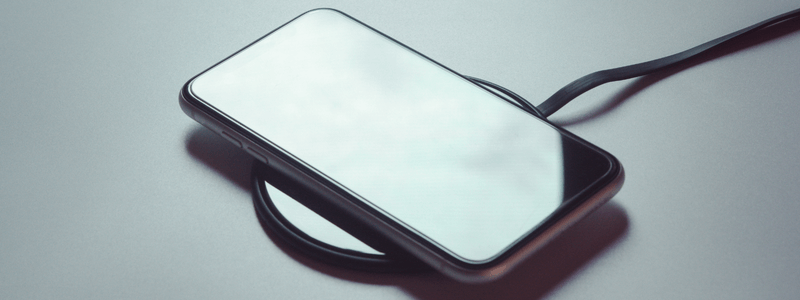
Did you know that wireless charging has been around for ten years already? Time races, and we all adapt to new technology, changing how we maintain our devices without even thinking about it.
But do you charge your phone wirelessly most of the time? Probably not.
That’s because wireless charging is not the best experience compared to a cable, but is that about to change?
The Wireless Power Consortium (WPC) has this month announced an update to Qi wireless charging, revealing that the new Qi2 (pronounced ‘chee two’) will launch later in 2023. Compatible devices will also become available before the year’s end.
Great news for consumers because it helps address the current issues with wireless charging and will ultimately open up the way for broader adoption of wireless charging.
So how long before we don’t need cables at all to charge our phones?
Qi2, based on Apple’s MagSafe technology, uses a series of magnets to create a magnetic connection. A phone perfectly aligned with the charging device will receive improved energy efficiency and faster charging. Result!
For this to make more sense, it helps to understand how wireless charging works.
Inside every wireless charger is a coil of copper wire. When an electric current passes through the coil, it generates a magnetic field. Phones that support wireless charging also include a coil inside their back casing. Placing your phone on a wireless charging pad induces an electric current to the phone’s coil, and then charging begins.
Problems occur as soon as you increase the distance between the two coils. Moving the coils vertically or horizontally away from each other results in a loss of energy and reduced charging speed.
Qi2’s magnets solve this problem by aligning the transmitter and receiver coils almost perfectly. This results in a more consistent charge (you won’t easily knock your phone off the charger) and is less destructive to your phone. This is because any lost energy during wireless charging converts to heat which can impact long-term battery health.
The WPC says that Qi2 will have “faster charging for some devices” and could enable “significant future increases in wireless charging speeds that are safe and energy efficient.” That means more than the current 15-watt maximum of Qi and MagSafe.
The million-dollar question is, how long will it be before we receive the same 25-watt plus charge that a cable can provide?
A dramatic improvement in wireless charging could present the opportunity to eliminate ports from phones completely. That would reduce production costs, free up a tiny bit of valuable space in our phones for something else and improve water resistance.
Exciting times are ahead for phone innovation but much depends on how Qi2 is implemented and the market reaction.
We always believed that Apple® MagSafe was a superior wireless charging technology and that’s why it’s already integrated into all our wireless solutions. Boom!
The ChargeBox Team
Should mobile phone charging be a free public service?

We all like something for free but what public services do we deserve to get for free and what should we pay for? If you are required to pay to use a toilet or to access WiFi in a public space, it can leave a bad feeling as the expectation is that these services should always be free. But what about public phone charging? Shouldn’t that be a free public service too?
When ChargeBox launched in 2005 the original idea was that people would happily pay less than the price of a cup of coffee to charge their phone. For the first few years, ChargeBox operated as a pay-to-use service. It wasn’t until a major mall operator approached us in 2011 asking for a free-to-use service for their shoppers, that everything changed.
When we launched our free-to-use service usage increased by over 2000% overnight. People love free phone charging!
Now over 95% of our charging locations are free to use.
But what’s right for your location?
Free to Use:
- Increases customer satisfaction and enhances the experience. Adds to your location’s positive brand identity.
- Facilitates charging at scale. More people using the service means that visitors dwell for longer and are likely to be happier and more satisfied by the ease of being able to stay connected.
- Greater ROI. 100 people using a free service will benefit you exponentially more (additional spending & goodwill) than the revenue 5 people will generate for you by paying for phone charging. (In our experience Pay to Use phone charge volume is ~ 5% of Free to Use phone charge volume.
- A service available to all without discrimination. Yes if people are really in need of a phone charge you could argue that they will pay for it. But what about the people who can’t afford it or have to prioritise what is most essential at that time?
- Less staff intervention is required. A paid service adds an additional layer of complexity to providing a service – more can go wrong.
Pay to Use:
- Limits anti-social behaviour. With payment required and an audit trail back to the user it discourages misuse e.g. kids congregating around a free service.
- Will generate a small direct revenue stream in certain locations, typically ones where people can’t or won’t leave easily e.g. hospitals, casinos and theme parks.
- When a location has zero budget it allows them to offer an essential service at little to no cost.
At ChargeBox we offer both Free to Use and Pay to Use services and ultimately the decision on what is best for your location is down to you. What links our free and pay-for services is that they are both the best charging experiences available.
- The fastest available phone charging. Three to four times faster charging than any alternative solutions.
- Simple and intuitive to use with minimal barriers to get charged up!
When you’re paying for a service these factors become even more critical.
Which service would you lean towards as a business owner? We’d love to hear your views.
Team Chargebox
UK airport rule – Passengers need a charged mobile to fly

From 2014, anyone flying from a UK airport has been expected to show that electronic devices in their hand luggage can be switched on, if requested to do so by Security personnel.
How many of us are actually aware of this rule though?
Mobile phones and other electronic devices are a common part of our everyday lives so we don’t think twice about packing them into hand luggage and jetting off.
However, UK airports and airlines require passengers with phones, laptops and tablets in their hand luggage – to be able to switch on their devices and ensure they have enough charge to do so.
Last month was the first time these little known rules really hit the news and yet many of us will still not be aware that “If you cannot turn on your devices when requested by security personnel, they can take it from you…”. In other words your device could be confiscated.
The official government website states on its travel advice pages, “Make sure your electronic devices are charged before you travel…”
The BA website states: “Airport security staff may ask you to turn on electronic or battery-powered devices, such as phones, tablets, e-books and laptops, to demonstrate they function.
If you’re not able to do this, you will NOT be able to take your device with you.”
Whilst not all passengers are stopped and asked to “switch on” their devices, random spot checks may be carried out at some airport security points so, travellers MUST ensure their devices have at least enough power to switch on, if asked to do so.
Stay charged up folks!
The ChargeBox Team
Chargebox packs in a summer of sizzling events.
It’s been a hot busy Summer so far and we wouldn’t have it any other way.
We’re pleased to have been picked to provide charging services at many significant events this summer and it’s not over yet.
The season kicked off in the traditional style with our annual pilgrimage to SW19. We’re now in our 9th year of working with the tournament and it’s one of our favourite events to attend. HSBC created customer booths with free device charging to entice spectators. Usage of the service was up an incredible 33% this year from last year demonstrating that, like Emma Radacanu, our service proves to be a firm fan favourite.

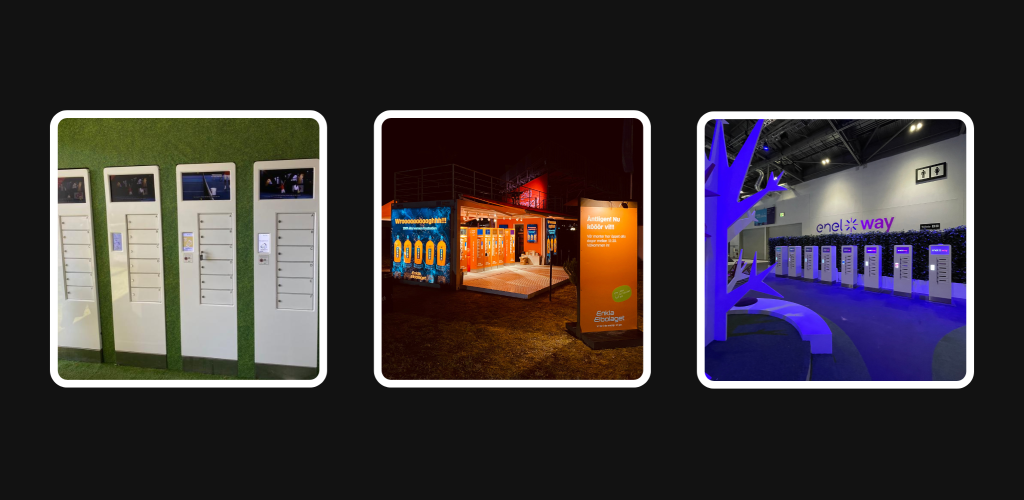
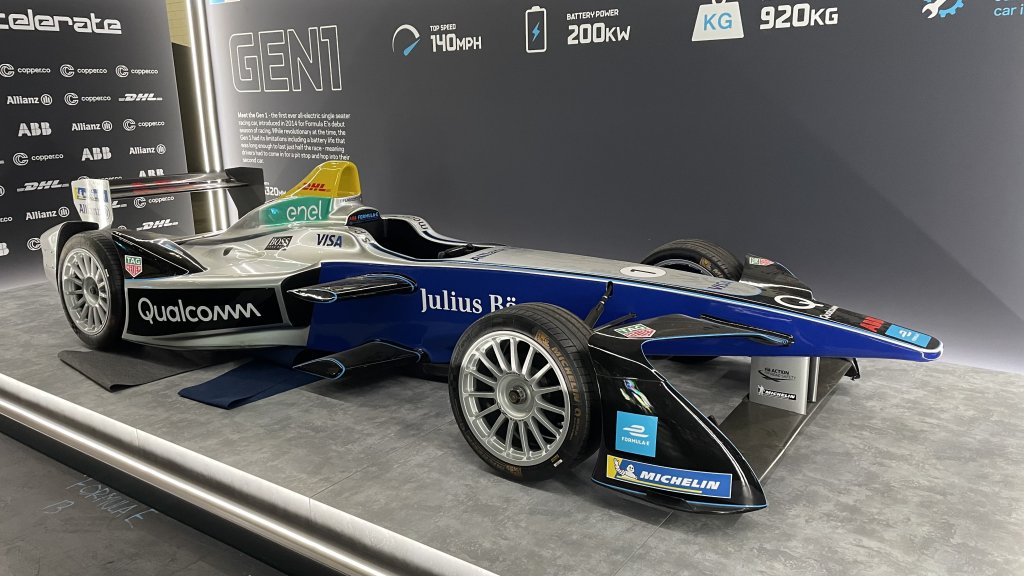
From a much-loved old client to a much-loved new one. A new major sporting event we are delighted to welcome to the fold is Formula E. According to the top driver, Antonio Felix da Costa, the event at Excel London this year was the best yet! Perhaps it was due in part to the fabulous Recharge zone in the Allianz E-Village 😂. Sponsors, enel x way created a perfect area to relax in, with plenty of comfortable seating, low lighting and eight ChargeBox Fast units. With the World’s fastest electric cars on show, this event absolutely had to have the world’s fastest phone charging too!
Over in Sweden, our partners at Paraply Production converted a shipping container into a charging zone, in order to provide an essential service at some of Sweden’s biggest music festivals. As part of an activation for utility company Enkla Elbolaget, they upgraded their charging service for 2022. Previously they operated a phone check-in, where staff would take customer phones and plug them in on shelves. This, however, was labour intensive and an organisational headache. ChargeBox’s simple, secure and intuitive lockers are completely self-service so festival goers can independently charge their phones up quickly and easily. Boom!
We’ve also been flying high this summer with some prestigious aviation events, attending both the Air Tattoo and the Farnborough Airshow. Like Wimbledon, the Farnborough Airshow is an event we’ve worked with for many years but post-Covid, we are enormously pleased to be back on the live events scene! Both shows had sponsors supporting their services, these being Raytheon Technologies and Lockheed Martin respectively. Sponsoring charging at events is great for awareness and brands also benefit from the halo effect of providing a useful free service. By securing sponsorship of the service, event partners provide an enhanced experience which negates costs and often makes providing charging, profitable.
Finally a mention of the British Summer Time Festival at Hyde Park. Our services were available to VIP guests of charity supporter Utopia. Just think of the pop royalty who could have used our service – Elton John, Adele, Mick Jagger? Alas, we didn’t get to see any of the gigs ourselves this year but hopefully, we’ll be back again next year to see some of the action!
We’ve had so many great events partners already this summer with more yet to come! Sorry if we didn’t mention your event with us this time.
Get in touch if you’d like us to mention you!
ChargeBox positively impacts the event experience for hundreds of thousands of fans, delegates and attendees. From business conferences to major sporting occasions, we’ll keep your attendees charged and connected.